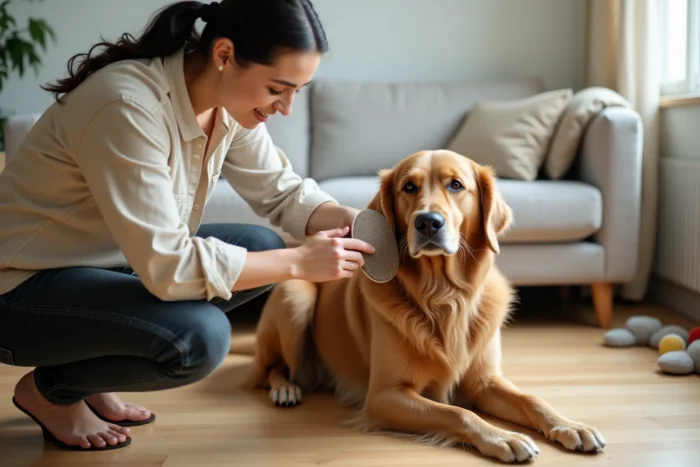
A dog that limps after a long walk on asphalt in the middle of summer, irritated skin under a poorly positioned flea collar, loose stools lingering for three days without concern: daily care problems almost always arise from a neglected practical detail. Taking care of your dog is not about applying a generic list of good practices; it’s about adapting each routine to your animal, its environment, and the season.
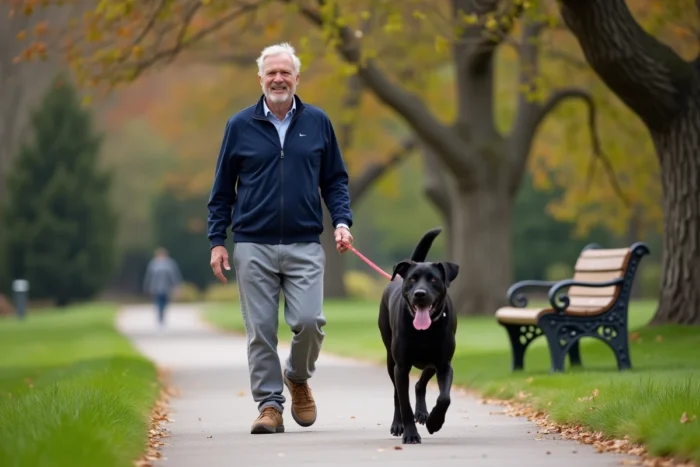
Adapting Dog Walks to Weather Conditions
The impact of the ground on paw pads is often underestimated. In heat waves, asphalt can reach temperatures much higher than the ambient air. If you can’t place the back of your hand on the sidewalk for five seconds, you shouldn’t take the dog out on it.
The Ministry of Agriculture now provides seasonal guides for pets, with a strengthened focus on managing high temperatures. The recommendations are clear: limit walks to cooler hours (before 8 AM, after 8 PM in summer), favor shaded or dirt paths, and watch for signs of heatstroke (excessive panting, unsteady gait, red gums).
In winter, de-icing salt also harms paw pads. A quick rinse of the paws upon returning from a walk is enough to prevent cracks. For short-haired breeds or older dogs, protective booties can be considered during prolonged outings in extreme cold.
Useful resources to explore every aspect of life with a dog can be found on the Amazing Pet Place website for dogs, especially for comparing equipment suitable for each size.
Dog Nutrition: Spotting Real Warning Signs
The food bowl is the first health concern. Rather than listing brands of kibble, let’s focus on what we observe daily to know if the diet is suitable.
What Stools Reveal
Well-formed, brown stools that are easy to pick up indicate good digestion. Persistent loose stools for more than two days warrant a call to the veterinarian. Mucus, blood, or unusually light color can indicate a food intolerance or a parasitic problem.
Coat as a Nutritional Indicator
A dull, brittle coat or excessive shedding out of season often betrays a nutritional imbalance. Fatty acids (found in fish oils or certain enriched kibbles) play a direct role in coat quality. If the diet changes, the effects on the coat usually take several weeks to manifest.
Fresh, clean water remains the most neglected point. The water bowl should be refreshed at least twice a day, more often in hot weather. A dog that suddenly drinks much more than usual deserves a quick veterinary consultation.
Dog Parasites: Protecting Without Overdosing
Parasite control is not just about putting on a collar at the start of the season and forgetting about it. External parasites (fleas, ticks) and internal ones (intestinal worms) require a regular approach tailored to the dog’s actual exposure.
- A dog living in an apartment and only going out in urban areas does not have the same needs as a hunting dog that roams woods and tall grass every week. The parasite control protocol should be discussed with the veterinarian based on lifestyle, not a standard calendar.
- Spot-on treatments should be applied directly to the skin, between the shoulder blades, in a spot the dog cannot lick. The fur should be parted well before application. An approximate placement significantly reduces the product’s effectiveness.
- For intestinal worms, regular deworming remains the norm. Puppies require a more frequent schedule than adults, and a dog that eats prey (rodents, birds) or outdoor waste has an increased risk of contamination.
After each outing in wooded or grassy areas, systematically check the warm areas of the body: ears, groin, armpits, spaces between the toes. Removing a tick in the first few hours greatly reduces the risk of disease transmission.

Dog Dental and Ear Care: Two Overlooked Areas
The mouth and ears account for a significant portion of avoidable veterinary consultations. Yet, these are the two areas that most owners inspect the least.
Dog Dental Maintenance
Tartar builds up quickly in small breeds and more slowly in large ones. Persistent bad breath is not normal: it often signals the onset of periodontal disease. Chew sticks help limit plaque buildup but do not replace regular brushing with a brush and toothpaste suitable for dogs (never human toothpaste).
Ear Cleaning
Breeders with droopy ears (Cocker, Basset, Cavalier King Charles) are particularly prone to ear infections. Ear cleaning every one to two weeks with an appropriate product prevents wax buildup and bacterial proliferation. A few drops are poured into the ear canal, the base of the ear is massaged, and then the dog is allowed to shake its head before wiping away the excess.
If the dog is frantically scratching its ear, tilting its head to one side, or if a strong odor is detected, a veterinary consultation is necessary, not a home cleaning.
Dog Mental Health: Stimulation and Rest Daily
A dog that destroys objects, barks continuously, or circles does not necessarily lack walks. It often lacks mental stimulation or, conversely, sufficient rest periods.
Interactive toys (stuffed Kong, sniffing mats, food puzzles) provide real cognitive exercise. A few minutes of searching for hidden treats in the garden tires a dog as much as half an hour of regular walking.
Rest periods are as necessary as activity. An adult dog sleeps on average about twelve hours a day. A quiet space, away from foot traffic, where it can retreat without being disturbed, directly contributes to its balance. Feedback on this varies by breed and individual, but forcing a dog to interact when it retreats is counterproductive.
Each dog has its own thresholds for fatigue and stimulation. Observing its signals (yawning, looking away, licking its nose) allows for better adjustment of play and outing durations than any theoretical schedule.